What Assets Are Covered Under High Net Worth Insurance?
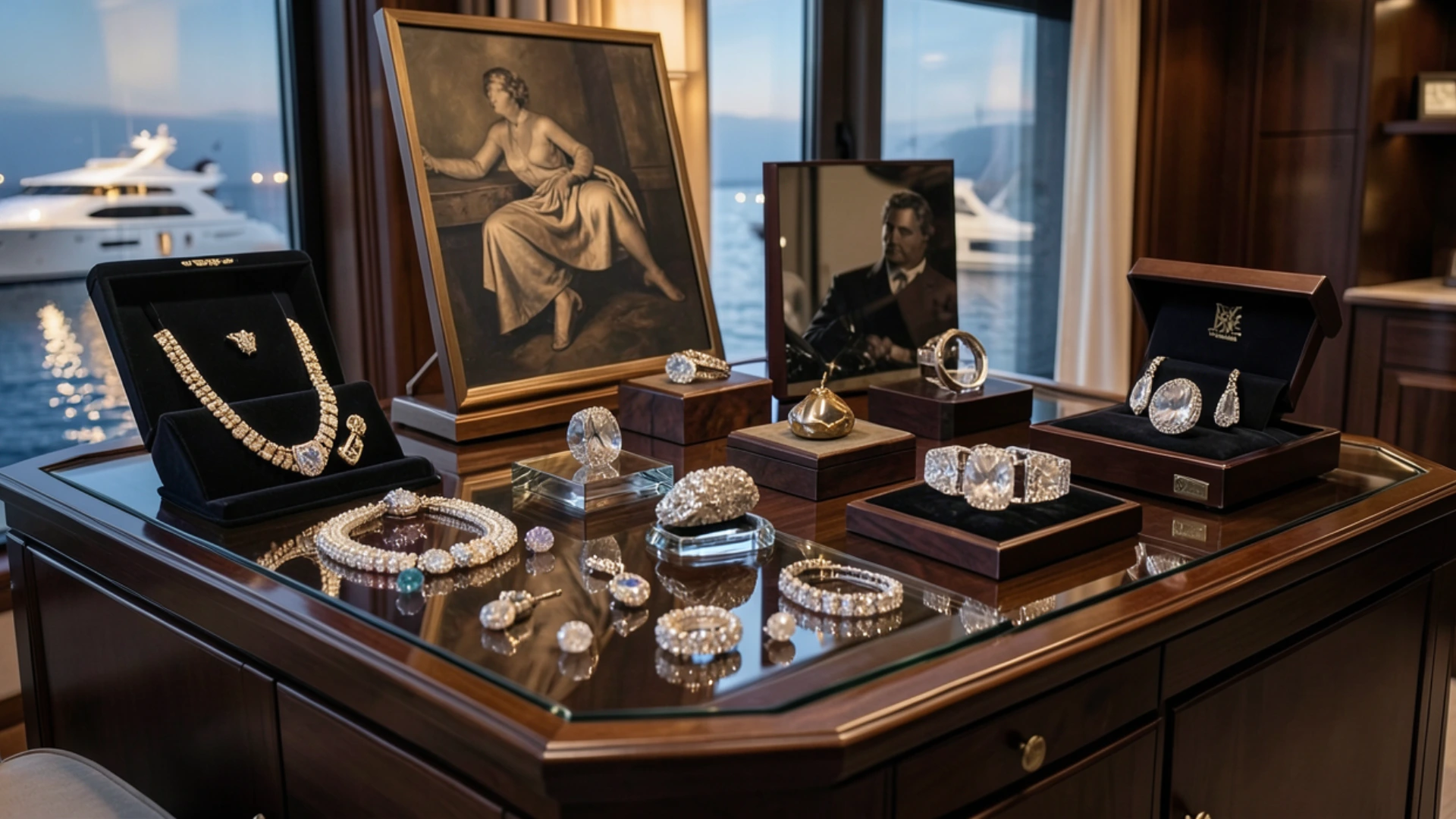
Understanding How High Net Worth Insurance Protects Luxury Property, Valuables, and Complex Assets
One of the biggest differences between standard insurance and high net worth insurance is the scope of asset protection.
Traditional homeowners insurance is typically designed for average households with standard property values and limited personal property exposure. High net worth insurance, however, is structured to protect more complex lifestyles, higher-value assets, and elevated financial exposure.
For affluent households, proper insurance is not just about covering a home — it is about protecting an entire portfolio of personal assets.
What Is Considered a High-Value Asset?
A high-value asset is generally any property or possession that:
- exceeds standard policy sub-limits
- requires specialized valuation
- appreciates over time
- carries elevated replacement costs
- involves collectible or luxury market pricing
Many affluent households own assets that are significantly underinsured without realizing it.
Luxury Homes and High-Value Real Estate
What May Be Covered
High net worth insurance often provides enhanced protection for:
- Primary residences
- Luxury custom homes
- Waterfront properties
- Vacation homes
- Seasonal residences
- Historic homes
- Investment properties
Coverage structures may include:
- extended replacement cost
- guaranteed replacement cost
- custom rebuild valuation
- ordinance and law coverage
Jewelry and Watches
Jewelry is one of the most commonly underinsured asset categories.
Covered Assets May Include:
- Engagement rings
- Luxury watches
- Diamond collections
- Designer jewelry
- Antique jewelry
High net worth policies often provide:
- Scheduled coverage
- Agreed value protection
- Worldwide coverage options
- Broader loss protection
Standard homeowners policies frequently impose low sub-limits for jewelry losses.
Fine Art Collections
Fine art requires specialized valuation and claims handling.
Covered Assets May Include:
- Paintings
- Sculptures
- Rare photography
- Antique collections
- Museum-quality artwork
Coverage may include:
- Agreed value structures
- Restoration expertise
- Transit protection
- Worldwide exhibition coverage
Collectibles and Memorabilia
Many affluent households own collections that may not fit neatly into standard insurance categories.
Examples Include:
- Sports memorabilia
- Rare coins
- Wine collections
- Luxury handbags
- Vintage collectibles
- Historical artifacts
Proper valuation becomes especially important because collectible markets can fluctuate significantly over time.
Luxury and Collector Vehicles
High net worth insurance programs often include specialized protection for:
- Exotic vehicles
- Collector cars
- Vintage automobiles
- High-performance vehicles
Coverage structures may include:
- Agreed value coverage
- Flexible usage terms
- Specialized repair networks
- Diminished value considerations
Watercraft and Recreational Assets
Affluent households frequently own recreational assets that require separate or specialized policies.
Examples Include:
- Yachts
- Boats
- Jet skis
- Recreational vehicles
- Off-road vehicles
These assets may create both property and liability exposure.
Secondary and Vacation Homes
Many high net worth households own multiple residences.
Coverage Considerations Include:
- Seasonal occupancy
- Weather exposure
- Vacancy concerns
- Geographic risk differences
- Coordinated liability protection
Multi-property insurance coordination is one of the major advantages of high net worth insurance programs.
Personal Liability Exposure
High net worth insurance is not limited to physical property.
It also addresses liability exposure related to:
- Property ownership
- Household staff
- Recreational features
- Social gatherings
- Rental properties
- Public visibility
Many affluent households pair high net worth insurance with substantial umbrella liability protection.
Digital Assets and Cyber Exposure
Modern high net worth insurance programs increasingly address risks involving:
- Cybercrime
- Identity theft
- Digital fraud
- Online financial exposure
Coverage availability varies by carrier and policy structure.
Why Standard Insurance Often Leaves Coverage Gaps
Standard homeowners insurance typically includes strict limits for:
- Jewelry
- Collectibles
- Fine art
- Luxury assets
- Secondary residences
In many cases, coverage may only apply up to a limited sub-limit unless assets are specifically scheduled.
This creates one of the most common forms of underinsurance among affluent households.
How High Net Worth Insurers Value Assets
Specialized insurers often use:
- Professional appraisals
- Agreed value structures
- Market-based valuation
- Periodic asset reviews
This is especially important for:
- Appreciating assets
- Rare collectibles
- Custom property
- Luxury construction materials
Why Proper Asset Valuation Matters
Underestimating asset value can create major financial exposure during a claim.
Example:
- Jewelry collection actual value: $250,000
- Standard policy jewelry limit: $10,000–$25,000
Without scheduled coverage, the majority of the loss may remain uninsured.
Commonly Overlooked Assets
Many households fail to properly insure:
- Wine collections
- Luxury handbags
- Designer fashion collections
- Home theaters
- Custom furnishings
- Firearms collections
- Rare books
- Musical instruments
As wealth and collections grow, insurance complexity often increases significantly.
How Often Should High-Value Assets Be Re-Evaluated?
Affluent households should regularly review:
- Appraisals
- Replacement costs
- Market appreciation
- Collection growth
- Newly acquired assets
Construction inflation and collectible market shifts can quickly make older valuations inaccurate.
Who Should Consider Specialized Asset Coverage?
Specialized high net worth coverage is often appropriate for households with:
- Luxury residences
- Collectible assets
- Multiple homes
- Significant investment portfolios
- Elevated liability exposure
- Custom or irreplaceable property
Frequently Asked Questions
Does standard homeowners insurance cover jewelry?
Usually only up to limited sub-limits. Higher-value jewelry often requires scheduled coverage.
What is agreed value coverage?
Agreed value coverage establishes a predetermined insured value for an asset, helping avoid disputes after a covered loss.
Are collectibles covered under standard insurance?
Some coverage may exist, but limits are often insufficient for valuable collections.
Can high net worth insurance cover multiple homes?
Yes. Many policies are specifically designed for multi-property households.
How are luxury homes valued for insurance purposes?
High net worth insurers often use specialized rebuild estimates, appraisals, and custom construction evaluations.
Continue Your Learning Path:
Now that you understand how high-value assets are protected, the next step is seeing how liability exposure and policy structure work together to protect overall wealth.
→ High Net Worth Insurance Explained (Coverage, Costs & Who Needs It)
Understand the full insurance framework behind asset protection.
→ Umbrella Liability Insurance for High Net Worth Families
Learn how liability coverage protects against large financial risks.
→ Private Client Insurance Services
Speak with a Private Client specialist to review full asset protection strategies.
