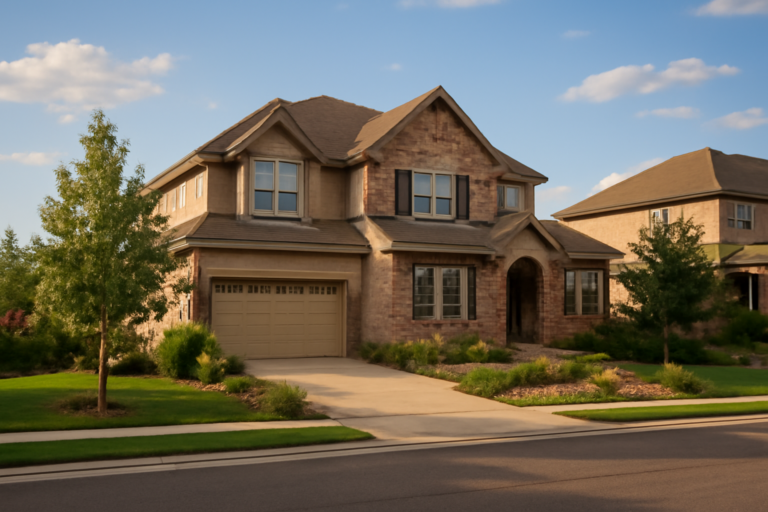
What is roof coverage in home insurance? Roof coverage refers to the portion of a home insurance policy that protects the roof structure against covered perils such as wind, hail, fire, and other risks. It is a critical part of personal lines insurance for homeowners, but it comes with specific limitations and tradeoffs that should be understood before purchasing or renewing a policy.
Types of Roof Coverage in Home Insurance
Home insurance policies typically include roof coverage as part of the dwelling protection. However, the extent and nature of this coverage can vary significantly depending on the policy and insurer.
- Replacement Cost Coverage: This coverage pays to repair or replace the roof without deducting for depreciation, up to policy limits. It generally requires that the roof be maintained in good condition.
- Actual Cash Value (ACV) Coverage: ACV coverage reimburses the current value of the roof considering depreciation. This means older roofs may receive lower payouts, reflecting wear and tear.
- Limited Roof Coverage: Some policies exclude certain roof types or materials or limit coverage for roofs past a certain age. This can affect older homes or those with specialized roofing.
Common Limitations and Exclusions
While roof coverage can provide valuable protection, it often comes with important limitations and exclusions that homeowners should be aware of:
- Wear and Tear Not Covered: Damage resulting from gradual deterioration, lack of maintenance, or aging is typically excluded. Insurance is designed to cover sudden and accidental damage, not routine upkeep.
- Excluded Perils: Some policies exclude damage from certain events such as floods, earthquakes, or acts of war. Separate endorsements or policies may be needed for these risks.
- Roof Age Restrictions: Insurers may limit coverage or offer ACV instead of replacement cost for roofs beyond a certain age, reflecting the increased risk of failure.
- Material and Installation Standards: Coverage may depend on the type of roofing material and whether it meets local building codes or manufacturer specifications.
Tradeoffs Between Cost and Coverage
Choosing roof coverage involves balancing premium costs against the level of protection desired. Some key tradeoffs include:
- Higher Premiums for Replacement Cost: Policies offering replacement cost coverage for roofs generally have higher premiums but provide more comprehensive protection.
- Lower Premiums with ACV Coverage: Opting for actual cash value coverage can reduce premium costs but may result in lower claim payouts, especially for older roofs.
- Deductibles Impact: Higher deductibles can lower premiums but increase out-of-pocket expenses when filing a claim.
- Endorsements and Riders: Adding specific roof-related endorsements can enhance coverage but add to the overall policy cost.
Practical Tips for Homeowners
- Regular Maintenance: Maintaining your roof can prevent damage and help ensure coverage eligibility.
- Understand Your Policy: Review your insurance documents carefully to know what roof damage is covered and any restrictions.
- Consider Roof Age and Material: Be aware of how your roof’s age and construction affect coverage options and costs.
- Document Roof Condition: Keep records and photos of your roof’s condition to support claims if damage occurs.
- Consult with Your Insurer or Agent: Discuss your specific needs and concerns to tailor coverage appropriately.
Frequently Asked Questions
1. Does homeowners insurance cover all types of roof damage?
Not necessarily. Coverage depends on the cause of damage and the terms of your policy. Sudden and accidental damage from covered perils is typically included, but damage from wear and tear, neglect, or excluded events may not be covered.
2. How does roof age affect insurance coverage?
Older roofs may be subject to actual cash value coverage rather than replacement cost, leading to lower claim payouts. Some insurers may also limit or exclude coverage for roofs beyond a certain age.
3. Can I add extra roof coverage to my home insurance policy?
Yes, many insurers offer endorsements or riders that provide additional roof coverage or extend protection to specific perils. These additions typically increase your premium but can offer more comprehensive protection.
Next steps: Schedule a consultation or submit information to begin the quote process. Submitting information does not bind coverage.
Educational information only. Policy terms, availability and eligibility vary. Consult a licensed representative about your circumstances.